Tracing Loyalty Reward Pathways Through Various Transaction Methods in Live Gaming Sessions
Sam Zimmermann · Aug 22, 2026
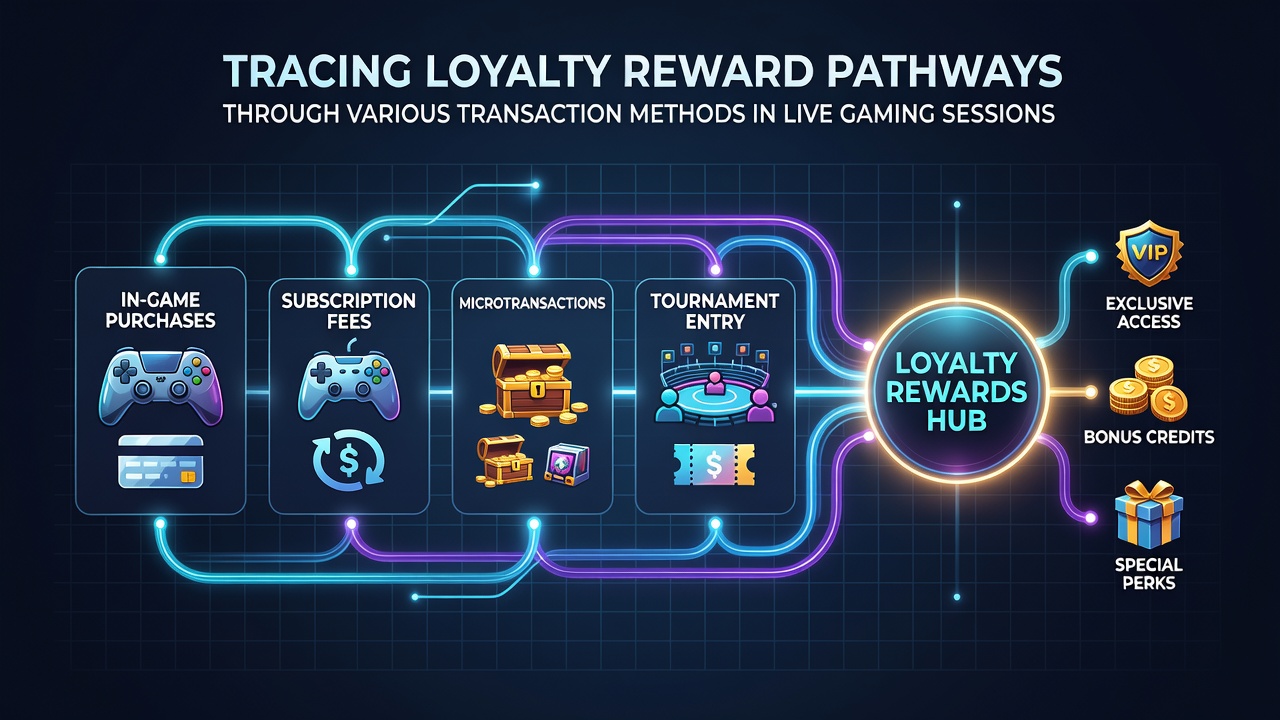
Tracing Loyalty Reward Pathways Through Various Transaction Methods in Live Gaming Sessions
Live gaming sessions rely on integrated systems that record every transaction and convert activity into loyalty points through automated pathways, and these processes have become more sophisticated as platforms adopted real-time tracking tools by August 2026. Transaction methods such as bank transfers, e-wallets, credit cards, and cryptocurrencies each follow distinct routes before points reach player accounts, which means the speed and verification steps differ significantly depending on the chosen method.
Core Components of Reward Tracking Systems
Operators connect payment gateways directly to loyalty engines so that deposit amounts, session duration, and game type feed into point calculations without manual intervention, while separate ledgers maintain records for regulatory audits. Researchers at institutions studying digital entertainment economies have noted that these connections reduce discrepancies between transaction logs and reward balances, and data from industry reports confirm higher accuracy rates when platforms use API-level integration across multiple payment processors.
Electronic wallet transactions typically trigger immediate point awards because the funds clear within seconds, allowing the system to allocate rewards before a live dealer round concludes, whereas bank transfers require batch processing that can delay point posting until the next business cycle. Credit card payments involve additional authorization layers that insert a short verification window, yet once cleared the pathway resumes the same accrual formula applied to other methods.
How Different Payment Channels Influence Point Accumulation
Live gaming environments distinguish between deposit-based rewards and activity-based rewards, and each transaction method affects both categories through predefined multipliers. Cryptocurrency deposits often receive higher initial multipliers in many systems because blockchain confirmations provide immutable timestamps that simplify audit trails, according to findings published by the American Gaming Association. In contrast, traditional card payments follow standardized security protocols that add an extra validation step before the loyalty engine registers the deposit.
Session length tracking remains consistent across methods once funds enter the gaming balance, yet withdrawal-linked rewards introduce another layer where cash-out requests must match prior deposit pathways to prevent point reversals. Observers note that players who switch between methods within a single session encounter segmented tracking records, with each channel maintaining its own sub-ledger until the platform reconciles them at the end of the day.
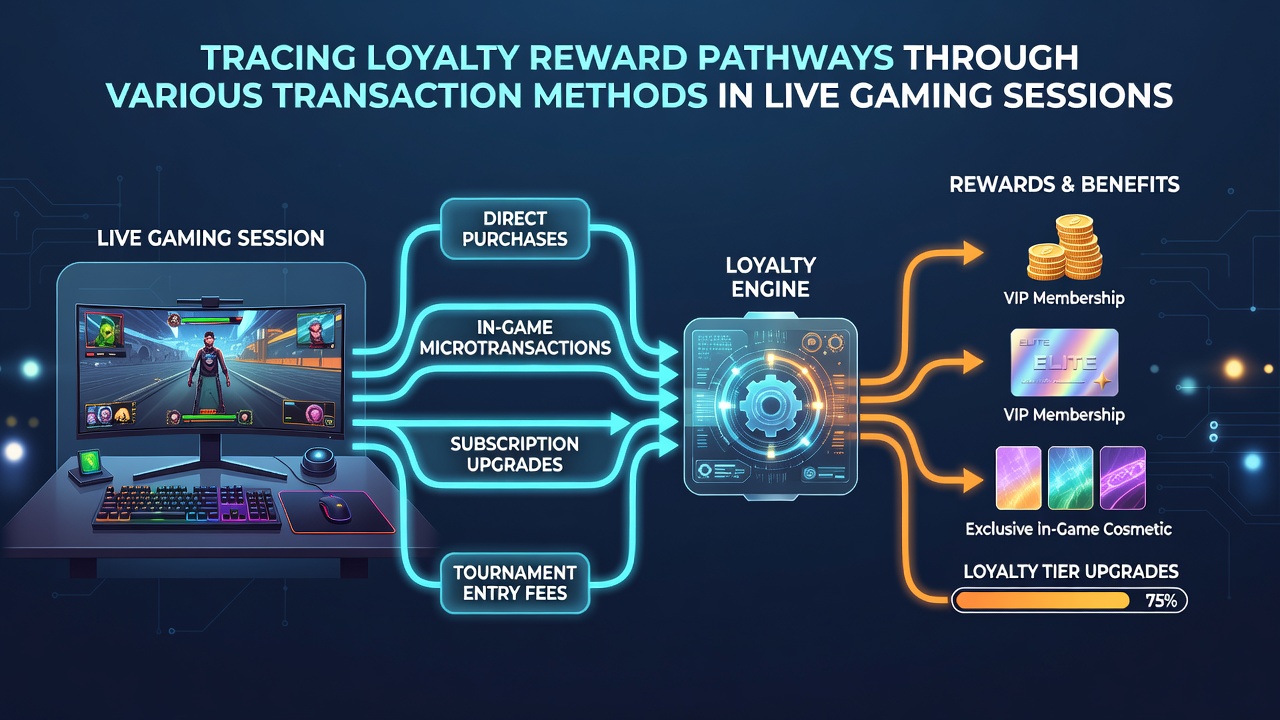
Regulatory and Technical Standards Shaping These Pathways
Authorities in multiple jurisdictions require operators to maintain transparent logs that link every loyalty point to a verified transaction, and these rules have driven adoption of standardized data formats by August 2026. The Alcohol and Gaming Commission of Ontario publishes guidelines that emphasize real-time reconciliation between payment processors and loyalty databases, which has prompted many platforms to upgrade their backend infrastructure accordingly. Similar expectations appear in reports from the Victorian Responsible Gambling Foundation, where researchers highlight the value of immutable transaction trails for dispute resolution.
Technical teams implement checksum protocols and timestamp synchronization to ensure that points awarded during live blackjack or roulette sessions align with the exact moment funds settled, reducing the chance of retroactive adjustments. When a player uses cryptocurrency, the pathway incorporates blockchain explorer verification that adds an extra confirmation layer, yet this step also creates a publicly auditable record that satisfies certain regulatory reporting requirements without additional manual work.
Practical Examples of Pathway Execution
One documented case involved a platform that rerouted all e-wallet transactions through a dedicated loyalty queue, resulting in points appearing in player dashboards within thirty seconds of deposit confirmation, while card transactions took up to two minutes due to processor handshakes. Another instance showed that players combining bank transfers with live session play accumulated tier progress at the same rate as e-wallet users once the initial clearance completed, indicating that the core accrual logic treats cleared funds uniformly regardless of origin.
Industry data reveal that platforms tracking these pathways report fewer reconciliation errors when they maintain separate but linked databases for each transaction type, and this architecture supports rapid scaling during peak hours without compromising point accuracy. Those who have examined system architectures note that fallback mechanisms automatically redirect failed transactions to alternative pathways, preserving the reward sequence even when one processor experiences temporary outages.
Conclusion
Tracing loyalty reward pathways through transaction methods in live gaming requires precise coordination between payment systems, loyalty engines, and regulatory reporting tools, and the distinctions among bank transfers, e-wallets, cards, and cryptocurrencies remain visible at every stage of the process. As platforms continue to refine these connections, the emphasis stays on maintaining accurate, auditable records that align with standards set by bodies such as the Alcohol and Gaming Commission of Ontario and research groups like the Victorian Responsible Gambling Foundation. The result is a framework where each transaction method follows a defined route yet contributes to the same overarching loyalty structure.